The Psychology of Clutch Performance in Basketball: Entering the Flow State
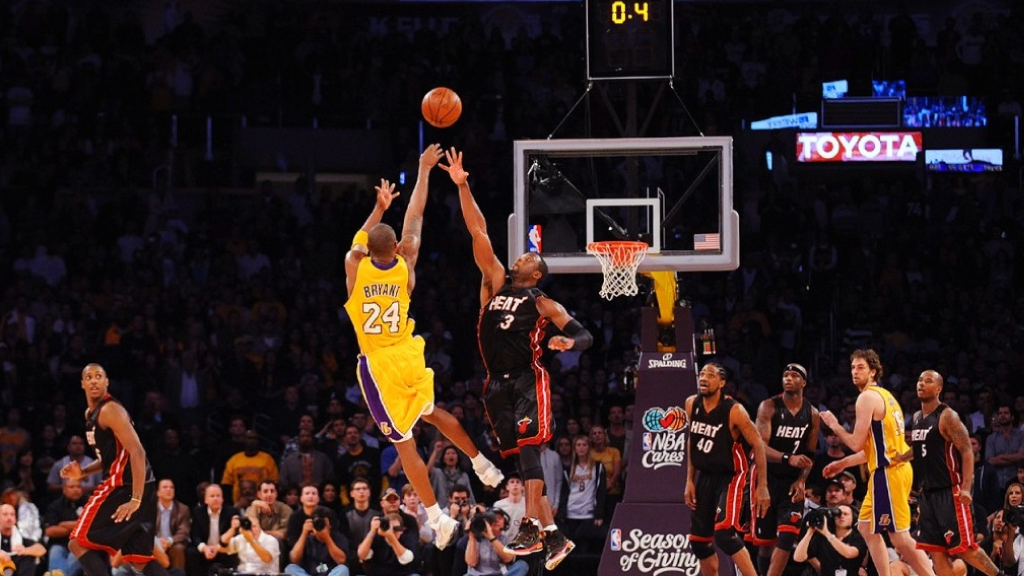
We've all seen it: the clock is ticking down, the crowd is deafening, the pressure is immense, yet the star player calmly sinks the game-winning shot as if they were shooting alone in an empty gym. This phenomenon is known as being "clutch." But what exactly separates athletes who thrive under pressure from those who crumble?
Understanding the 'Flow State'
Psychologists often refer to clutch performance as entering a "flow state" or being "in the zone." Coined by psychologist Mihaly Csikszentmihalyi, the flow state is a psychological state of complete absorption in the present moment. In basketball, it means the player's mind is completely empty of distracting thoughts—they aren't thinking about the score, the crowd, or the consequences of missing. They are simply reacting.
The Neurobiology of Choking vs. Clutch
When an athlete "chokes," their brain experiences a surge of cortisol and adrenaline that triggers the "fight or flight" response. The prefrontal cortex—the logical, analytical part of the brain—becomes overactive. The player starts overthinking their mechanics. They try to consciously control an action (like shooting a free throw) that they have practiced thousands of times and stored in their muscle memory. This over-analysis disrupts the smooth, automatic execution of the skill.
Conversely, a clutch performer has trained their brain to suppress the prefrontal cortex during high-stress situations. They rely entirely on their basal ganglia and motor cortex—the areas responsible for automatic, learned movements. They trust their training implicitly.
Techniques to Develop Clutch Psychology
- Visualization: Great shooters like Stephen Curry and Michael Jordan spend hours visualizing game-winning scenarios. By repeatedly playing out these stressful situations in their minds and seeing themselves succeed, they trick their brains into feeling like they have "been there before" when the actual moment arrives, reducing panic.
- Routine Building: Notice how every elite free-throw shooter has an identical routine before every shot? Two dribbles, a spin of the ball, a deep breath. This routine acts as a psychological anchor. It signals to the brain to block out external noise and execute the muscle memory program.
- Focusing on the Process, Not the Outcome: Clutch players do not think, "If I miss this, we lose the championship." They think, "Elbow in, follow through, snap the wrist." By hyper-focusing on the micro-mechanics of the process, they leave no mental bandwidth for anxiety about the outcome.
- Embracing the Pressure: Instead of viewing pressure as a threat, elite athletes reframe it as a privilege. They interpret the physical sensations of anxiety (racing heart, sweaty palms) not as fear, but as their body physically preparing itself to do something extraordinary.
Conclusion
Being clutch is rarely an innate genetic gift. It is a psychological skill built through rigorous mental conditioning, unbreakable routines, and a profound trust in one's own preparation. The next time you step to the line with the game in the balance, take a deep breath, trust your hours of practice, and let it fly.