From Leather to High-Tech: The Evolution of Volleyball Equipment
Volleyball has come a long way since its invention in 1895. SJ Sportsworld looks at how the gear has shaped the modern professional game.
1. The Ball: it's not just a round object
Original volleyballs were heavy and stitched. Modern balls use synthetic leather and a micro-fiber texture that reduces turbulence in the air, allowing for more precise serves and sets.
2. The Net: The First line of defense
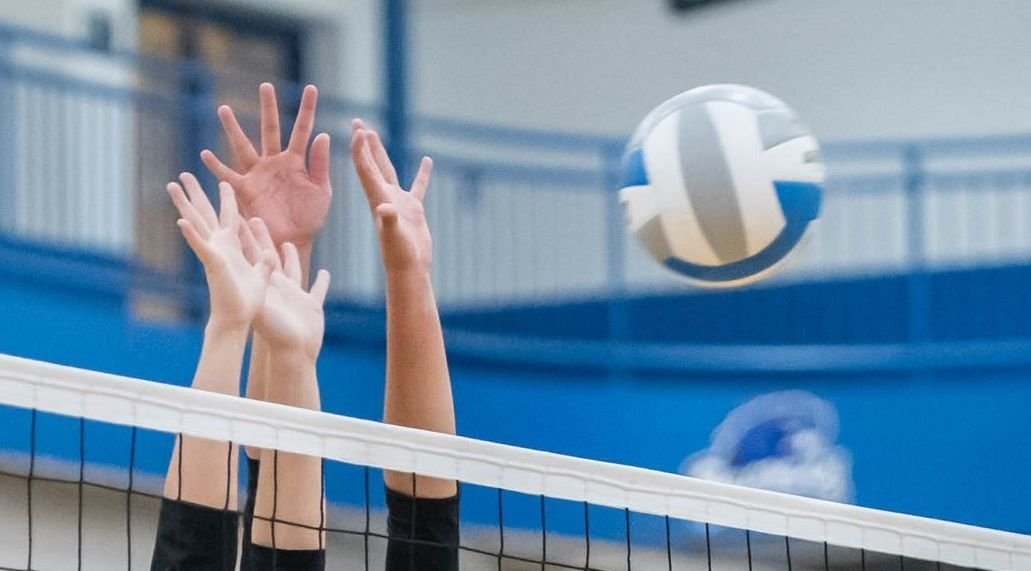
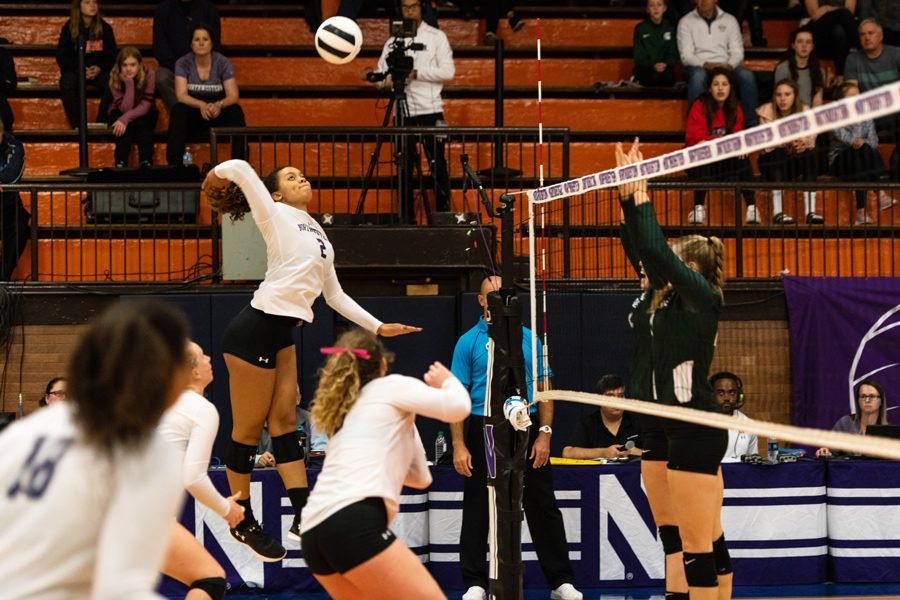
Modern nets are made of reinforced nylon with heavy-duty tension cables to ensure they do not "sag", testing the true vertical capability of athletes.
3. Footwork and Knee Protection
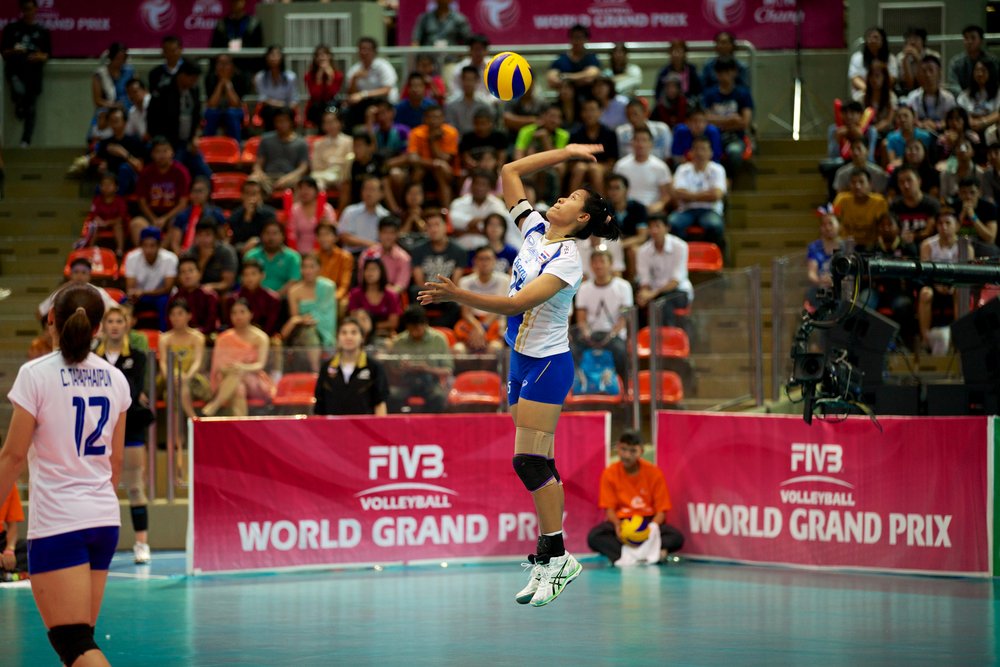
Court shoes now feature gel cushioning to absorb the impact of hundreds of jumps per match. Knee pads have evolved from bulky foam to sleek, high-density padding that protects during dives without restricting movement.
Performance Optimization and Technical Mastery
Success in court-based sports like badminton and volleyball requires a unique blend of explosive power and extreme precision. Every movement must be calculated, every strike calibrated. At SJ Sportsworld, we emphasize that technical mastery is a lifelong journey. For badminton players, this means thousands of hours refining the "snap" of the wrist and the "rhythm" of the feet. For volleyball athletes, it translates to mastering the geometry of the net and the synchronization of team rotations.
Equipment choice is the silent partner in this journey. A racket that is 5 grams too heavy or a volleyball with a slightly higher internal pressure can disrupt an athlete's "muscle memory" and lead to a drop in performance. Our technical consultants work tirelessly to ensure that every product we offer meets the exacting standards of professional competition. We analyze everything from carbon fiber density in badminton frames to the seam-stress tests of professional volleyballs.
Psychological resilience is the final piece of the puzzle. The ability to maintain focus during a 30-minute badminton rally or to block a 100km/h spike in the final set of a volleyball match requires incredible mental fortitude. Confidence in your gear provides the baseline for this mental state. When you step onto the court with SJ Sportsworld equipment, you carry the assurance of professional-grade quality, allowing you to focus entirely on your strategy and the next point.
SJ Sportsworld Professional FAQ
Q: How do court surface materials affect badminton footwork?
A: Professional synthetic mats offer "controlled slide," allowing for deep lunges without catching. Playing on wooden gym floors requires higher-grip gum rubber soles to prevent slipping during the split-step.
Q: What is the ideal air pressure for a professional match volleyball?
A: Most pro-level balls (like Mikasa or Molten) should be inflated to 4.26 to 4.61 psi. This provides the optimal "feel" for setters and prevents excessive impact pain for defenders.
Q: How often should I replace my badminton racket strings?
A: Serious players should restring every 10-15 hours of play. Even if they don't break, strings lose tension and "repulsion" over time, making your shots feel dead.