The Epic Evolution of Cricket: From 16th-Century Pasture to Global Phenomenon
Cricket is more than just a sport; it is a historical tapestry that reflects the cultural, social, and technological shifts of the last 400 years.
1. The Rural Origins (1550 - 1750)
The earliest reference to cricket comes from 1598, mentioned as a game played by schoolboys. The equipment was primitive: a curved branch for a bat and a ball of wool or stone. There were only two stumps, and the pitch was any flat pasture.
2. The Age of Enlightenment (1750 - 1850)
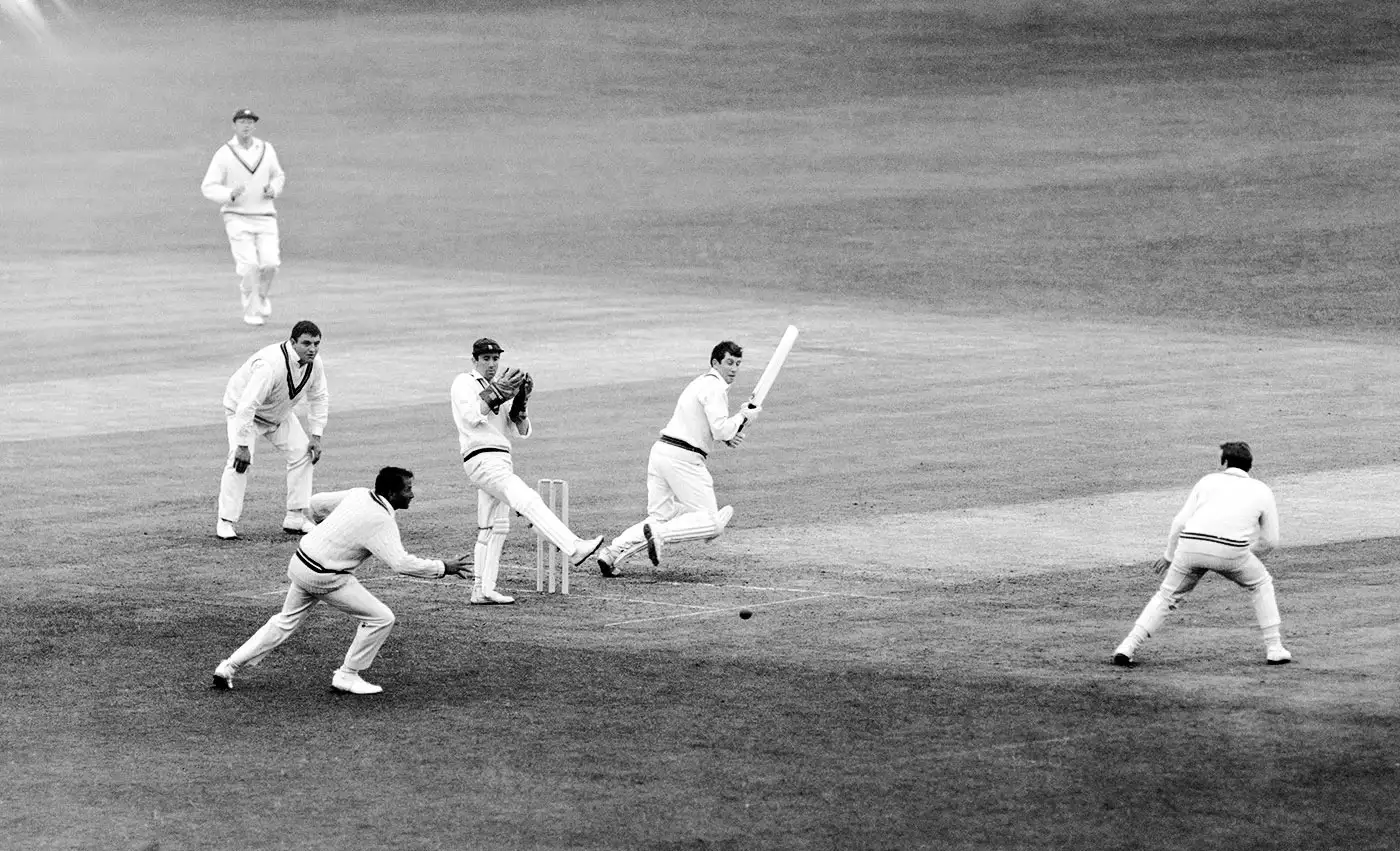
The 18th century saw the game move to the aristocracy. Huge bets necessitated formal laws. In 1744, the first Laws of Cricket were drafted. Key changes included the Third Stump in 1775 and the introduction of straight bats as bowling evolved from rolling to pitching.
3. The Golden Age (1850 - 1914)
W.G. Grace transformed batting into an art form. The first international match was actually USA vs Canada in 1844, though the Ashes (1882) became the most famous rivalry.
4. The 20th Century: One-Day Revolution
Expansion to India, West Indies, and Pakistan followed the World Wars. 1963 saw the birth of One-Day Cricket, and the first World Cup in 1975 turned the game into a global television spectacle.
5. The T20 Era (2003 - Present)
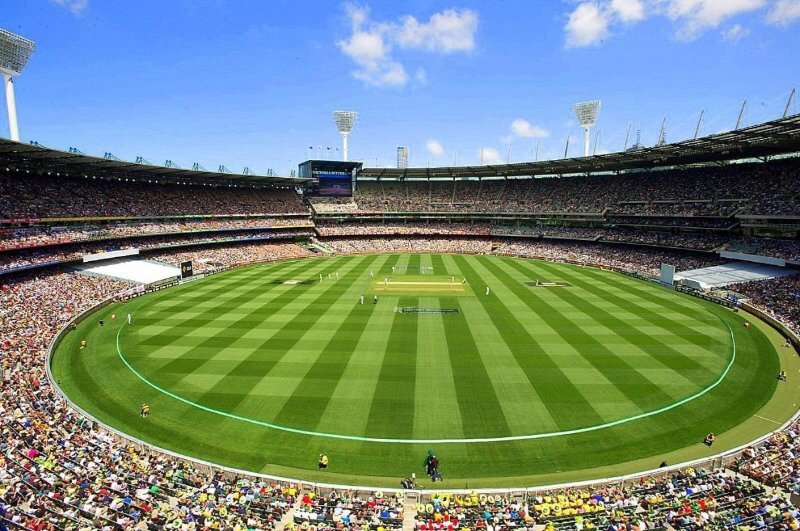
T20 and the IPL have redefined player fitness, batting (360-degree range), and global sports economics. Today, cricket is the second most popular sport in the world, a high-tech ecosystem of analytics and power.
The strategic nuances of professional sports equipment extend far beyond the initial selection process. For athletes at the elite level, every gram of weight, every degree of flexibility, and every micro-texture on the surface can be the difference between a podium finish and a mid-pack result. At SJ Sportsworld, our commitment is to provide not just the gear, but the deep technical knowledge required to utilize that gear to its maximum potential. Whether you are adjusting the tension on your badminton racket strings or selecting the specific grade of English willow for your next season, our expert consultants are here to guide you through the scientific principles that govern modern performance.
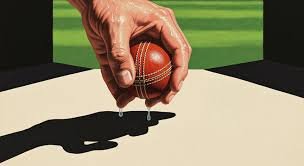
Furthermore, the environmental factors at play cannot be ignored. The humidity in a tropical stadium in Chennai affects the friction between a cricket ball and the pitch completely differently than the crisp, dry air of a mountain venue like Dharamshala. Similarly, the surface temperature of an artificial turf field in the height of summer will alter the bounce and speed of a football, requiring players to adapt their tactical approach in real-time. Understanding these variables is what separates a good player from a truly great tactician. Our blog aims to bridge this gap, providing the data-driven insights that leading sports scientists use to optimize athletic output across all professional disciplines.
In addition to performance, the psychological resilience of an athlete is deeply intertwined with their confidence in their equipment. Knowing that your helmet has passed the most rigorous impact stress tests or that your footwear provides the optimal ratio of grip to slide allows a player to focus entirely on the game, entering the "flow state" where peak performance happens. This psychological security is a core pillar of the SJ Sportsworld philosophy. We don't just sell products; we sell peace of mind and the assurance that you are competing with the best possible tools available to the modern sportsman.
The Future of Professional Gear
Looking ahead, the integration of sensors and AI into sports equipment is set to revolutionize training. From bats that measure swing speed and impact angles to footballs that track kick force and flight rotation in real-time, the next decade will be defined by data. We are already seeing these technologies being tested in top academies worldwide. At SJ Sportsworld, we are at the forefront of this digital transformation, constantly scouting for the latest innovations to bring to our community. Staying informed through our updates and news sections will keep you ahead of the curve as the boundaries between technology and human performance continue to blur.
Advanced Professional FAQ
Q: How do environmental factors like humidity affect ball swing?
A: High humidity increases air density slightly, which can actually reduce swing. However, moisture on the ball can make the surface uneven, causing unpredictable movement. The most important factor for "swing" is the contrast between the rough and smooth sides of the ball and the atmospheric pressure.
Q: What is the most durable material for sports footwear today?
A: For court sports like basketball and volleyball, high-density gum rubber provides the best grip-to-durability ratio. For field sports, synthetic K-leather (Kangaroo leather alternative) offers the most resilient protection while maintaining the soft feel needed for precise ball control.
Q: How often should I replace my professional level gear?
A: It depends on usage. A professional racket may need restringing every 2-3 weeks, while the frame can last 2 years. Footwear should generally be replaced every 400-500 miles of running or 6 months of intense court play to prevent joint injury due to cushioning breakdown.