The Engineering of Motion: The Science Behind Modern Football Design
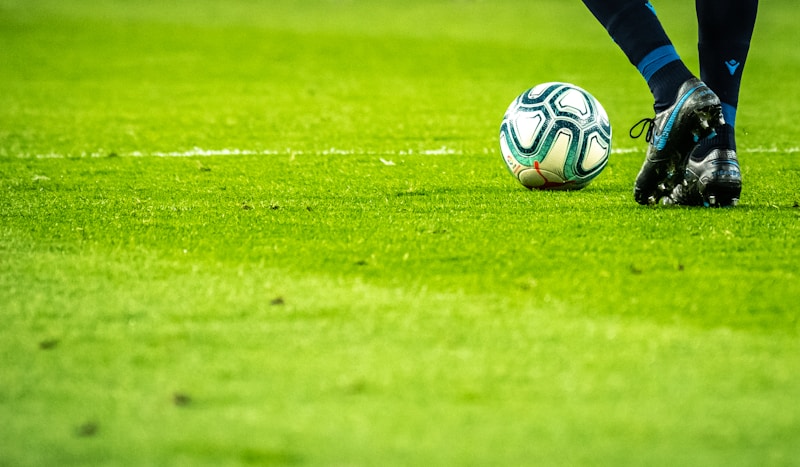
In the stadium, a football looks like a simple sphere. But to an engineer, it is a masterpiece of material science, aerodynamics, and thermal bonding. The transition from heavy, water-absorbing leather balls to the high-tech, micro-textured spheres of today has fundamentally changed the speed and style of the global game. At SJ Sportsworld, we explore the technology that defines the balls used in the Premier League, Champions League, and World Cup.
1. Beyond the Stitch: Thermal Bonding Technology
For nearly a century, footballs were made of 32 hand-stitched leather panels. While iconic, these balls had a major flaw: they absorbed water. On a rainy day, a ball could increase its weight by 20-25%, making it sluggish and unpredictable. Modern balls, like the Adidas Al Rihla or Nike Flight, use **Thermal Bonding**. The panels are fused together using heat and pressure rather than thread. This creates a seamless surface with almost zero water absorbdion (less than 0.1%), ensuring the ball maintains its weight and flight characteristics in all wather conditions.
2. The Aerodynamics of Texture: Micro-Grooves and Dimples
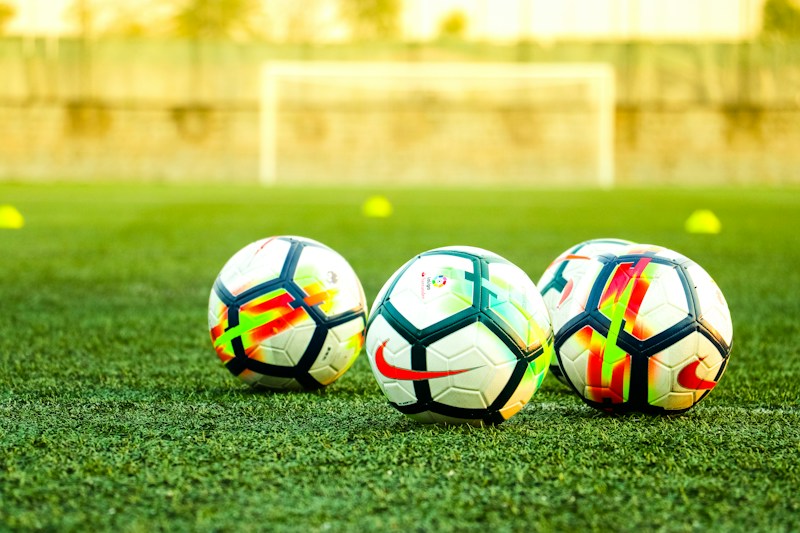
If you look closely at a modern match ball, you see a texture similar to a golf ball. This isn't for grip??+it's for speed. When a smooth sphere travels through the air, it creates a large area of 'separation' in the airflow behind it, resulting in high drag. By adding small grooves (like Nike's Aerowsculpt technology), engineers create a small amount of turbulence in the boundary layer of air. This paradoxically allows the air to "cling" to the ball for longer, reducing the drag wake and allow-ing the ball to travel faster and with more consistent flight paths.
3. Material Evolution: Polyurethane and Bladders
The outer shell of a modern ball is made of high-spec **Polyurethane (PU)**. Unlike PVC used in cheap training balls, PU is exceptionally resilient, offering a soft "first touch" and a consistent "ping" when struck. Inside, the **Bladder** is typically made of Butyl or Latex. - **Butyl Bladders**: Offer excellent air retention, staying pressurized for weeks. - **Latex Bladders**: Preferred by professionals for their superior responsiveness and elastic bounce, though they require more frequent inflation.
4. Sphericity and Impact Force
To receive the "FIFA Quality Pro" certificate, a ball must be perfectly round. A deviation of even 1.5% in sphericity can cause the ball to wobble during a long pass. These balls are also tested for "Impact Force" by being fired against steel plates at 50 km/h thousands of times. If the ball loses even a fraction of its responsiveness, it fails the test.
Strategy for Professional Preparation
Success in professional football is achieved in the days leading up to the match, not just on game day. Proper nutrition, mental preparation, and gear maintenance are the pillars of a top-tier performance. At SJ Sportsworld, we emphasize that athletes must take a holistic approach to their development. This includes everything from the precision of their passing drills to the specific tension in their muscles during the pre-match warm-up.
Environmental adaptation is another critical factor. A striker playing in the humid conditions of South Asia must manage their hydration differently than a midfielder in the cool, crisp air of Northern Europe. Each condition demands a specific footwear configuration and a unique pacing strategy to ensure maximum efficiency over the full 90 minutes. Our experts are dedicated to providing the technical data needed to make these adjustments seamlessly.
Finally, we must look at the psychological resilience required of modern athletes. The ability to perform under the scrutiny of thousands of fans and the "omnipresence" of VAR cameras requires a level of mental toughness that is trained as rigorously as physical skill. Confidence in your equipment is the foundation of this mental state. Knowing your boots provide the perfect grip and your shin guards offer the ultimate protection allows you to enter the "zone" where instinctive brilliance happens.
SJ Sportsworld Professional FAQ
Q: How do environmental factors like humidity affect ball flight?
A: High humidity increases air density, which actually increases the amount of "swerve" you can generate on a curve ball. However, it also slows the ball down faster over long distances, requiring more force for long passes.
Q: What is the most durable material for modern football boots?
A: High-grade Microfiber or Polyurethane (PU) synthetics are the most durable in all weather conditions. While traditional K-leather offers better "feel," it requires far more maintenance and can soak up water in wet conditions.
Q: How should I properly care for thermally bonded balls?
A: Wipe them clean with a damp cloth after every session. Never use harsh chemicals or a wire brush. Store at room temperature to avoid making the bonded seams brittle in extreme cold or heat.